Voice Mapping Consultation: What to Expect
20 September 2026
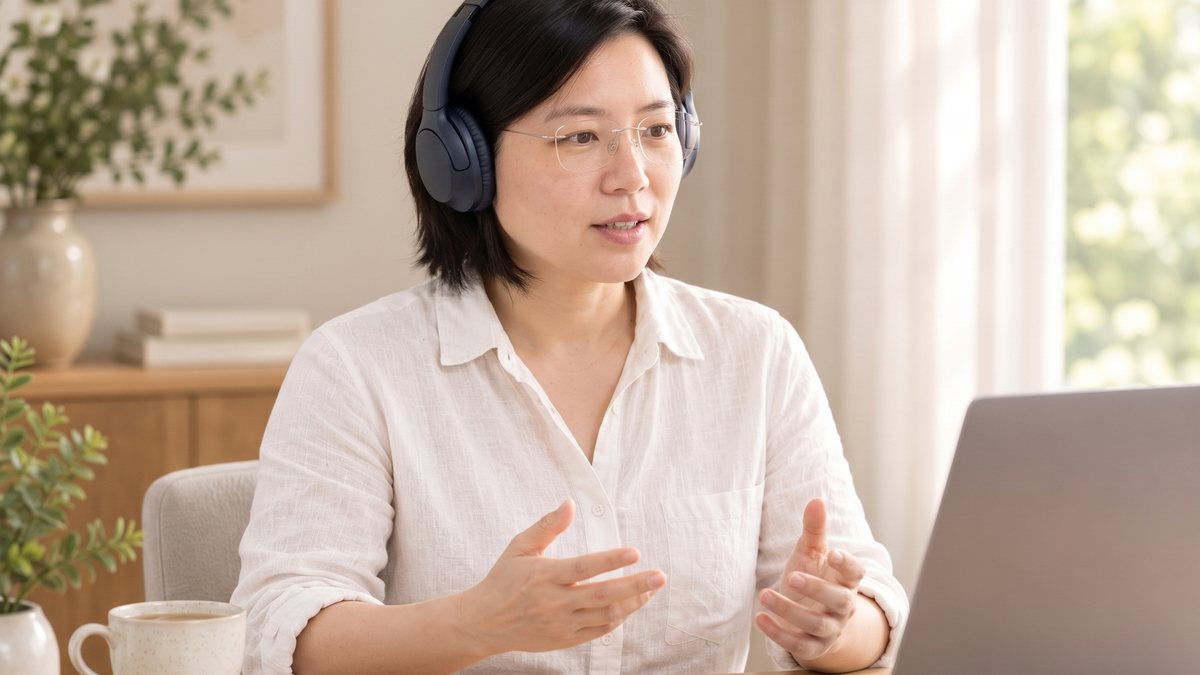
If you've ever stood in front of a full octave of tuning forks wondering which ones are actually meant for you, a Voice Mapping Consultation is built to answer exactly that question, from your own voice, not a guess.
What Actually Happens
It's a one to one, 30-minute call over Zoom, fully remote, so it works wherever you are. You speak and hold a few simple tones into your microphone, nothing to get right or wrong, and no singing ability needed. Software maps which tones came through strong in your voice and which were quiet, and we go through what that shows together, against the spinal correspondences I use in the Spinal Walk.
Afterwards, I email you a remedy report built from your own tones: a suggested colour and essential oil for each, a Bach flower remedy to consider, whether a tuning fork or singing bowl fits best, and the actual notes you can tone yourself at home. All of that is included in the one price, nothing further required to get the outcome.
Why the Voice, Specifically
My own training traces back to the Tomatis® Method, which explores the idea that the ear and the voice are closely linked, in Alfred Tomatis's words, the voice can only reproduce what the ear can hear. In the tradition I trained in, that idea is carried further through sacred geometry and the law of octaves, frameworks practitioners have used for centuries to describe how tone, proportion and the body relate to one another. I hold this as a working framework from my own training and practice, not settled medical fact, and I'd encourage anyone curious to look into it further themselves.
How This Differs From the Frequency Test
The Frequency Test uses the licensed Tomatis Listening Test system in person, and looks at how you receive sound, what your ear is actually taking in. A Voice Mapping Consultation looks the other way, at your own voice, what you're actually producing, and it can be done remotely from anywhere in the world. They're related but separate offerings, built from the same underlying training, just looking at two different directions of the same relationship. If you're not sure which fits what you're curious about, I'm happy to help you decide.
Each Note, Like a Nutrient
Part of what makes the remedy report useful is a simple idea: just like your body reaches for a full range of nutrients to feel well, your voice reaches for a full range of tone. A note that comes through quiet in your voice is treated a bit like a nutrient gap in this tradition, not something wrong, just something worth offering back in. That's the thinking behind pairing each of your tones with a colour, an oil, a flower essence and a fork or bowl recommendation, rather than just handing you a list of notes with no context.
What People Actually Notice
A few honest, hedged examples, not promises. A voice that's felt thin or held back speaking up in a room full of people is one of the more common things people describe, and many report more ease here after building a toning practice. Quality and depth are often the first things people notice changing in their own voice as they get more familiar with their range. Some describe a sense of raising or elevating awareness, in the tradition many contemplative and sound practices describe, and find toning becomes a way of noticing that shift for themselves. Every person's experience is different, and I can't promise a specific outcome for you.
Do I Need to Buy Tuning Forks Afterward?
No. Identifying your specific tones and receiving your remedy report is the paid outcome, and that's it. Buying the forks or singing bowl for those tones afterward is entirely optional, your call, not a requirement of the session. Some people book purely out of curiosity and stop there.
If this sounds like what you're after, you can see full details and book a Voice Mapping Consultation here. Already know you want to start a home practice and just need somewhere to begin? the tuning fork starter set guide covers the three forks I'd point most beginners to.