What Mitochondria Taught Me About Sound
12 September 2026
I used to think regulation was mostly about calming down. Slow the breath, soften the mind, find that quieter gear and settle into it.
Then I started reading about mitochondria, long before I ever picked up a tuning fork, and something in me shifted.
What Mitochondria Actually Do
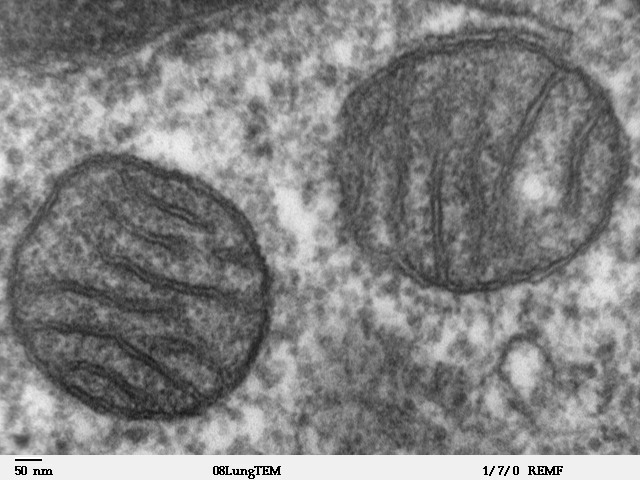
Mitochondria are the part of every cell that makes energy, real energy, called ATP, that everything else in your body quietly runs on. Your brain, your heart, your immune system, none of it works without that steady supply underneath. Dr Jack Kruse writes about this a lot, and so does Randy Lee, and somewhere in reading both of them I started noticing something I hadn't let myself see before. A nervous system that's worn out isn't always asking to be calmer. Sometimes it's simply asking to be fed.
Energy, Not Just Calm
That noticing changed how I sit with people.
When someone tells me they've tried everything, meditation, breathwork, therapy, and their body still won't let go, I don't assume they just need more calm. I wonder about their tank instead. Whether there's actually enough there to do the work of settling in the first place.
What Sound Can, and Can't, Do Here
This is where sound comes in, and I want to be honest with you about what I mean and what I don't. I'm not saying a tuning fork reaches into your mitochondria and changes something there, nobody's shown me that, and I won't pretend they have. What I do know, because it's real and it's been studied, is that sound and vibration speak to the nervous system directly, through the vagus nerve, through the ear, in ways that visibly bring the body toward something softer. That's the layer I actually tend to. If you want the fuller picture of that side of things, I've written more in what is neuro-acoustic science.
A Different Question, Not a New Technique
Mitochondria didn't give me a new technique. They gave me a different question to sit with. Instead of only asking how do I help someone feel calmer, I started asking whether they even have enough left in them to hold that calm once it arrives. Two very different questions, with two very different answers.
It's part of why I keep coming back to the small, daily things rather than any single fix. One session won't undo years of running on empty. But when someone's already tending to the basics, sleep, sunlight, real food, the sound work finally has something to meet. Not instead of that. What happens once there's something there to receive it.
This reflects my own reading and thinking, not a clinical or medical claim. It isn't a substitute for medical or mental health care, and sound sessions don't diagnose, treat or cure any condition, mitochondrial, cellular or otherwise.
If this resonates, you're welcome to read more about where this thinking comes from, or go straight to booking a private session.