Tuning Fork Therapy: What It Is and What to Expect
13 September 2026
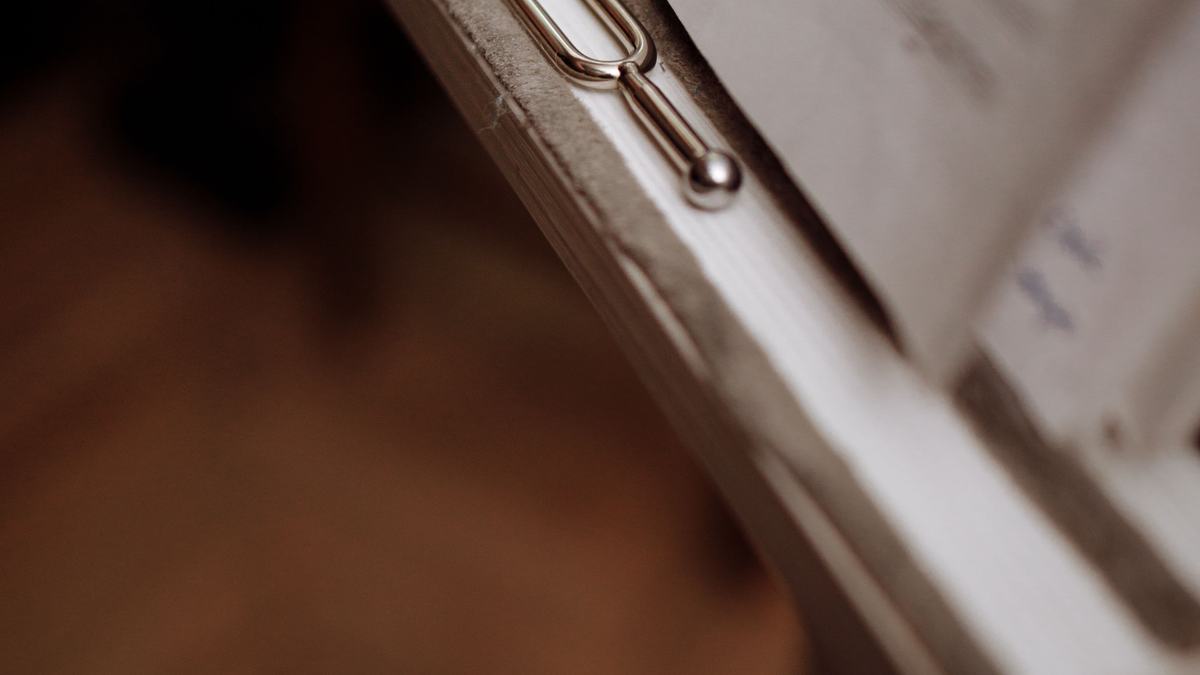
Strike a tuning fork and it does one thing, and does it perfectly. It rings out a single, pure, unwavering note and holds it. No wobble. No drift. That's the whole trick, and it's a very old one.
What a Tuning Fork Actually Does
A tuning fork is two metal tines joined at a base. Strike it, and both tines vibrate at exactly the same fixed rate, set by the metal, the length, the mass. Nothing else. That fixed rate is what makes it useful. Most sound you hear is a messy stack of frequencies layered together. A tuning fork gives you one, clean and isolated. That's why they've tuned instruments since 1711, when the English musician John Shore invented the first one for his lute. Two centuries later, that same cleanliness is why they're placed on the body in sound work: a single, unmistakable vibration is easy for the body to register clearly, in a way a fuller, textured sound like a singing bowl isn't.
The Medical Use You've Probably Already Had Done to You
Before sound healing ever touched a tuning fork, medicine already had. Doctors have used them for over a century as a genuine diagnostic tool, not an alternative one. A Rinne or Weber test uses a struck fork against the skull or in front of the ear to work out whether hearing loss is conductive or sensorineural. A vibration test presses a fork against a bone, an ankle, a wrist, to check whether peripheral nerves are picking up sensation the way they should. If you've ever had a doctor hold a small metal fork to your head or your foot, that's what was happening. This is well-established clinical practice, not something I'm claiming, just something worth knowing before you assume the instrument itself is fringe. It isn't. What's less settled is how it's used outside a hearing test, and I'll be straight with you about that further down.
Acupuncture and Sound, Where the Two Traditions Meet
Separately, there's a whole lineage, sometimes called sound acupuncture or Acutonics, that places tuning forks on the same points a practitioner might otherwise needle. The logic borrows from acupuncture's meridian system and swaps the needle for vibration. I want to be honest about where this sits: it's a real, decades-old tradition with a dedicated following, not a settled medical practice, and I hold it the same way, a framework some practitioners find genuinely useful, not proven fact. If you've heard the phrase "acupuncture tuning forks," this is what people mean.
What a Session With Me Looks Like
You lie down, fully clothed. I strike a fork, let it settle into its tone, and bring it near or gently onto the body, often moving slowly along the spine. It's quiet work. Most of a session happens in the silence between forks, giving your body time to actually register one before the next arrives. Nobody needs to do anything. That's rare enough on its own to be worth the hour.
Is It Safe? What About Side Effects
Here's the honest answer: there's no known risk from being near, or lightly touched by, a struck tuning fork. It's metal and vibration, nothing enters the body, nothing is ingested. If you're pregnant, recovering from surgery, or have a pacemaker, mention it before we start, not because there's documented danger, but because it lets me adjust pressure and placement sensibly. That's just good practice, the same as I'd want from anyone touching my body professionally.
What the Research Actually Says
There's real, growing interest in how sound and vibration interact with the nervous system, and some early, genuinely promising research into vibroacoustic therapy specifically. I'm not going to inflate that into more than it is. This is an emerging field, not a settled one. I don't diagnose, treat or cure any condition, here or anywhere else, and I'd rather you stay curious and check the research yourself than take any one practitioner's word for it, mine included.
Is It Right for You
You don't need a reason beyond curiosity. It's gentle, non-invasive, there's nothing to prepare and nothing to get wrong. If the idea of feeling sound rather than just hearing it pulls at you, a private session is the most direct way to find out what that's actually like in your own body. New to sound work altogether? What is a sound bath is the gentler place to start.
Want to Work With Forks Yourself?
A session with me is one way in. If you'd rather build a practice of your own at home, I'm putting together a small starter set of the forks I actually use, coming soon, discounted as a bundle rather than bought one at a time.
Not sure which notes are actually yours to work with? A Voice Mapping Consultation maps the tones in your own voice, remotely over Zoom, so you're not guessing.
This reflects my own practice and reading, not medical advice. It isn't a substitute for medical or mental health treatment, and doesn't diagnose, treat or cure any condition.